

 +91- 8590140165

Techniques for improving communication in caregiving relationships.
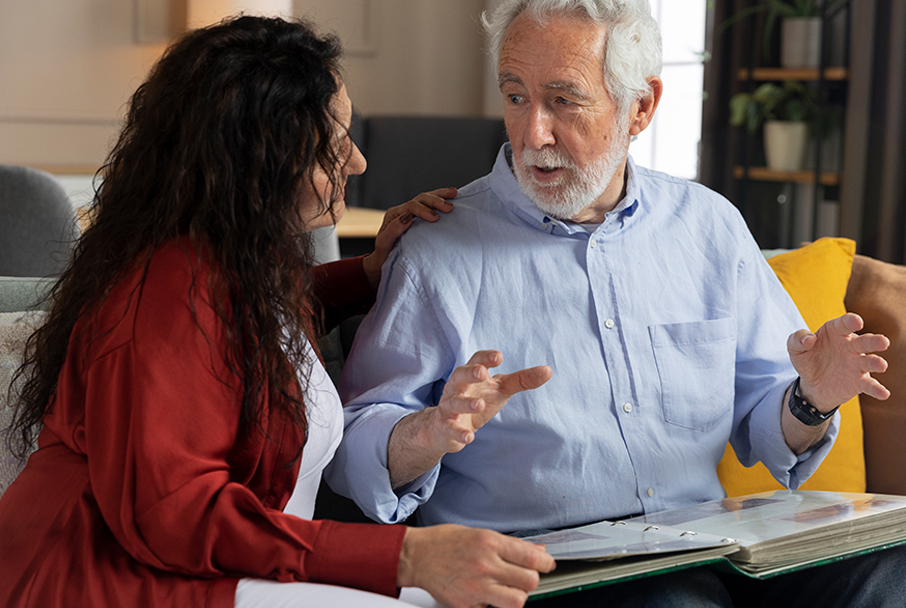
Effective communication is essential in caregiving relationships to ensure both the caregiver and the care recipient understand each other's needs and feelings. It helps maintain understanding, trust, and a strong emotional connection. Here are some techniques to improve communication with your loved one in a caregiving relationship:
- Pay close attention to what your loved one is saying.
- Avoid interrupting or finishing their sentences.
- Use non-verbal cues such as nodding and maintaining eye contact to show you're engaged.
- Show empathy and understanding by nodding, making eye contact, and using verbal cues like "I see" or "Tell me more."
- Show empathy and understanding by acknowledging their emotions and feelings.
- Say things like, "I can see how that would be frustrating" or "I understand that this is difficult for you."
- Try to understand your loved one's feelings and perspective.
- Validate their emotions even if you don't agree with their viewpoint.
- Understand that your loved one may need extra time to express themselves or comprehend what you're saying.
- Avoid rushing the conversation or becoming frustrated.
- Give them time to express themselves, especially if they have difficulty speaking or remembering.
- Keep your communication straightforward and avoid using jargon or complex language.
- Break down information into smaller, digestible bits when necessary.
- Instead of yes-or-no questions, ask open-ended ones to encourage more detailed responses.
- For example, "How did you feel about your doctor's appointment today?" instead of "Did you like your doctor's appointment?"
- Consistency in your caregiving routine can make communication more predictable and comfortable for both you and your loved one.
- Pay attention to body language and facial expressions.
- Be mindful of your own non-verbal cues, as your loved one may pick up on your feelings from your gestures and expressions.
- Maintain a calm and respectful demeanor, even in challenging situations.
- Physical touch, like holding their hand, can also convey care and support.
- Encourage your loved one to make decisions whenever possible, even if it's a small choice like what to wear.=
- Show respect for their autonomy.
- Keep your loved one informed about their care plan, upcoming appointments, and any changes
- Use visual aids or written instructions if necessary.
- Caregiving can be emotionally challenging. It's essential to manage your stress and emotions to ensure effective communication.
- Seek support from friends, family, or support groups.
- Praise and encourage your loved one for their efforts and achievements.
- Positive feedback can boost their self-esteem and motivation.
- Be flexible in your communication style. Different situations may require different strategies.
- Be responsive to your loved one's changing needs.
- Speak in a calm and gentle tone, adjusting your volume to their comfort.
- Avoid raising your voice or sounding impatient.
- As a caregiver, it's important to establish boundaries for self-care.
- Let your loved one know when you need time for yourself to recharge.
- If communication challenges persist or become more complex, consider involving a speech therapist,
- Respect and consider cultural norms and values that may affect communication in your relationship.
- Find a quiet and comfortable place for conversations, free from distractions like TV or phone calls.
- Keep your language simple and easy to understand.
- Avoid using medical jargon or complex terminology unless your loved one is familiar with it.
- Understand that communication abilities may change due to health conditions.
- Adapt to these changes and find alternative methods, like using pictures, gestures, or written notes.
- Caregiving can be emotionally and physically taxing. Take breaks to recharge, seek support from others, and maintain your own mental and physical health.
- Maintain records of important medical information, appointments, and changes in medication to ensure effective communication with healthcare providers.
- Promote your loved one's independence where possible. This can help maintain their self-esteem and reduce potential conflicts.
- As your loved one's needs change, be adaptable in your communication approach and caregiving strategies.
Active Listening:
Empathetic Responses:
Be Patient:
Use Clear and Simple Language:
Ask Open-Ended Questions:
Establish a Routine:
Non-Verbal Communication:
Respect Their Independence:
Share Information:
Manage Your Emotions:
Use Positive Reinforcement:
Adapt Your Approach:
Be Mindful of Tone and Volume:
Maintain Boundaries:
Seek Professional Help:
Stay Mindful of Cultural Differences:
Limit Distractions:
Use Clear and Simple Language:
Set Realistic Expectations:
Practice Self-Care:
Document Important Information:
Encourage Independence:
Be Open to Change:
Effective communication is crucial in caregiving relationships, as it helps maintain understanding, trust, and a strong emotional connection. Here are some techniques to improve communication with your loved one in a caregiving role:



 15 Days class and practical training